
Cosmos 3
The Open Physical AI Foundation Model
The first omni-model with native reasoning, world and action generation. Built on Mixture-of-Transformers.
Power Vision AI Reasoning
Use as a vision language model (VLM) to reason over objects, interactions, and intent across complex real-world scenarios.
For real-time alerts and dense captioning across quality inspection, public safety, traffic monitoring, logistics, and autonomous driving.
Build Policy Models
Accelerate robot policy learning with NVIDIA Cosmos™ 3 as the backbone for World Action Models (WAMs).
Post-train the generalized world foundation model on specialized camera and embodiment data. The policy model adapts pre-learned actions to specific tasks, domains, and behaviors at scale.
Simulate Worlds
Run as a controllable, physics-grounded world simulator to predict multiple approaches, evaluate outcomes in a closed loop, and converge on the right behavior.
Scale the loop across environments, tasks, and conditions to continuously improve without real-world risk.
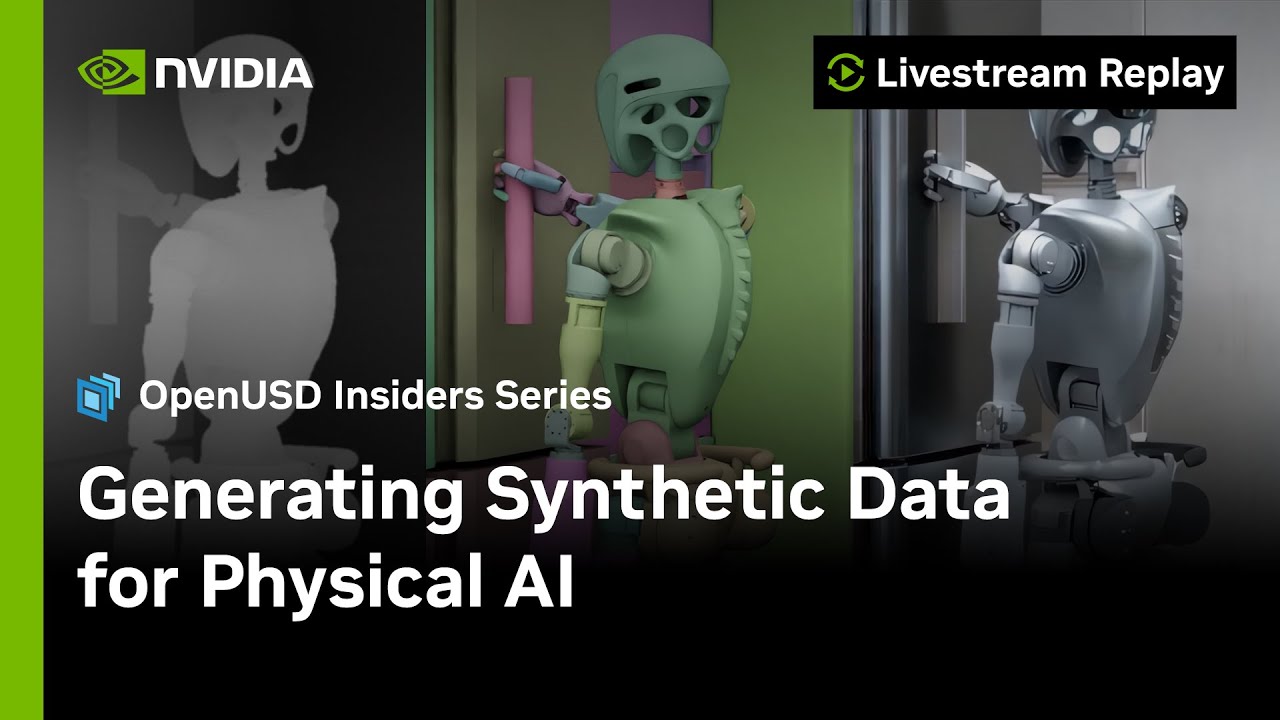
Scale Synthetic Video Data
Generate infinite plausible futures from text, image, video, ambient sound and action input.
Use video generation as imagination to train physical AI without being constrained by what's been physically captured.
Video
Introducing Cosmos
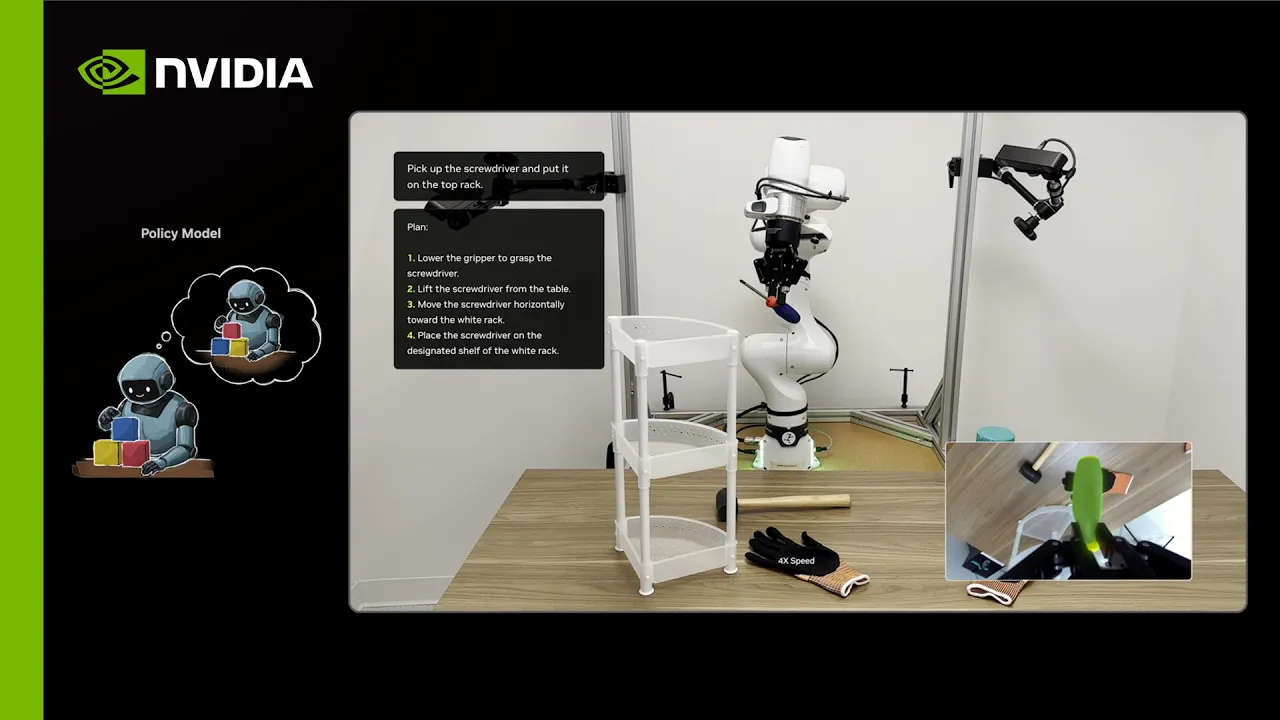
Hear from NVIDIA founder and CEO Jensen Huang as he introduces NVIDIA Cosmos 3 at COMPUTEX 2026, the world’s most advanced foundation model designed to help developers build autonomous systems that can understand, simulate, and act in the real world.
Starting Options
Get Started With NVIDIA Cosmos
Develop With Cosmos
Build on the same technology powering Cosmos 3. Open frameworks and skills so developers worldwide can customize, extend, and contribute to physical AI.
Data Curation
Quickly filter, annotate, and deduplicate large amounts of sensor data with Cosmos Curator.
Review and score generative video outputs at scale using Cosmos Evaluator.
Training and Acceleration
Quickly build, post-train or deploy world models using open post-training, evaluation, optimization frameworks, and inference scripts and skills.
Agent Skills for Synthetic Data Generation
Turn coding agents into synthetic data experts for physical AI development.
Use Cases
How Cosmos Accelerates AI Across Industries
-
Robot Learning
-
Autonomous Vehicle Training
-
Video Analytics AI Agents
Robot Learning
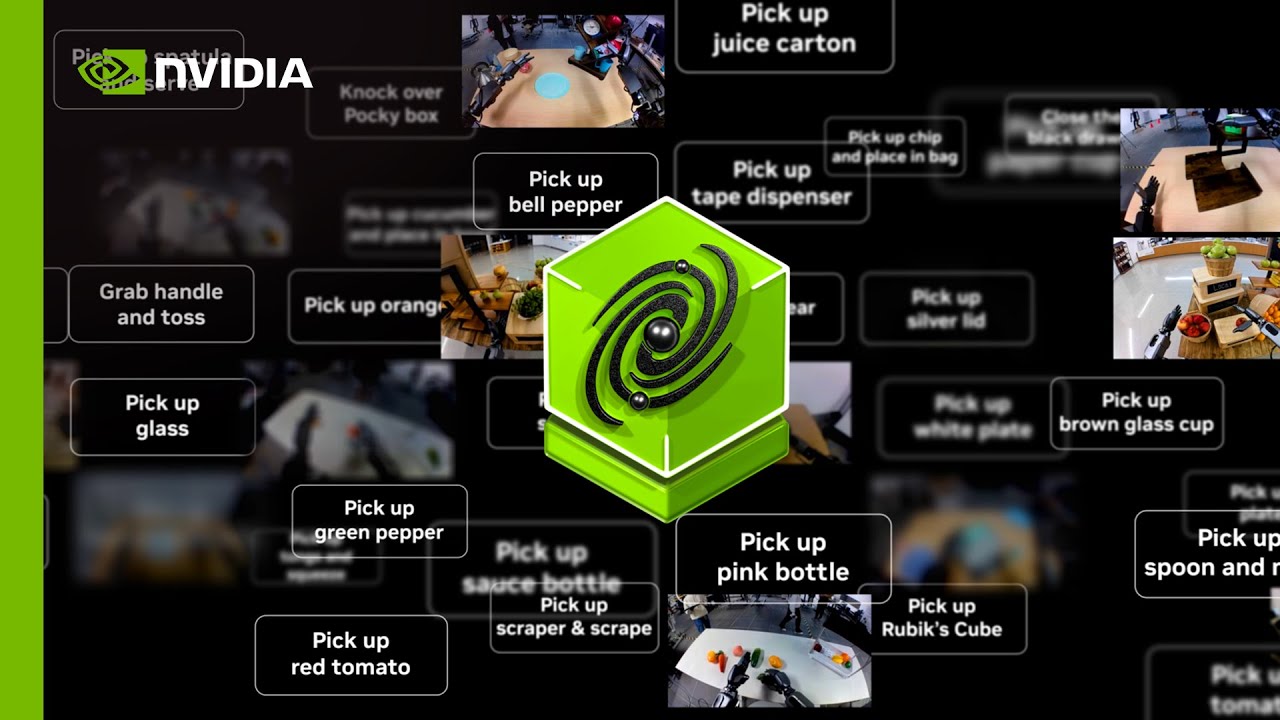
Build a robot learning policy that enables embodied agents to operate in real-world environments under both seen and unseen conditions.
- Post-train Cosmos 3 on embodiment-specific tasks, environments, camera or sensor layouts, and policies
- Run physically accurate closed-loop simulations
- Create an end-to-end synthetic data augmentation and evaluation pipeline using agent skills built on Cosmos

Autonomous Vehicle Training
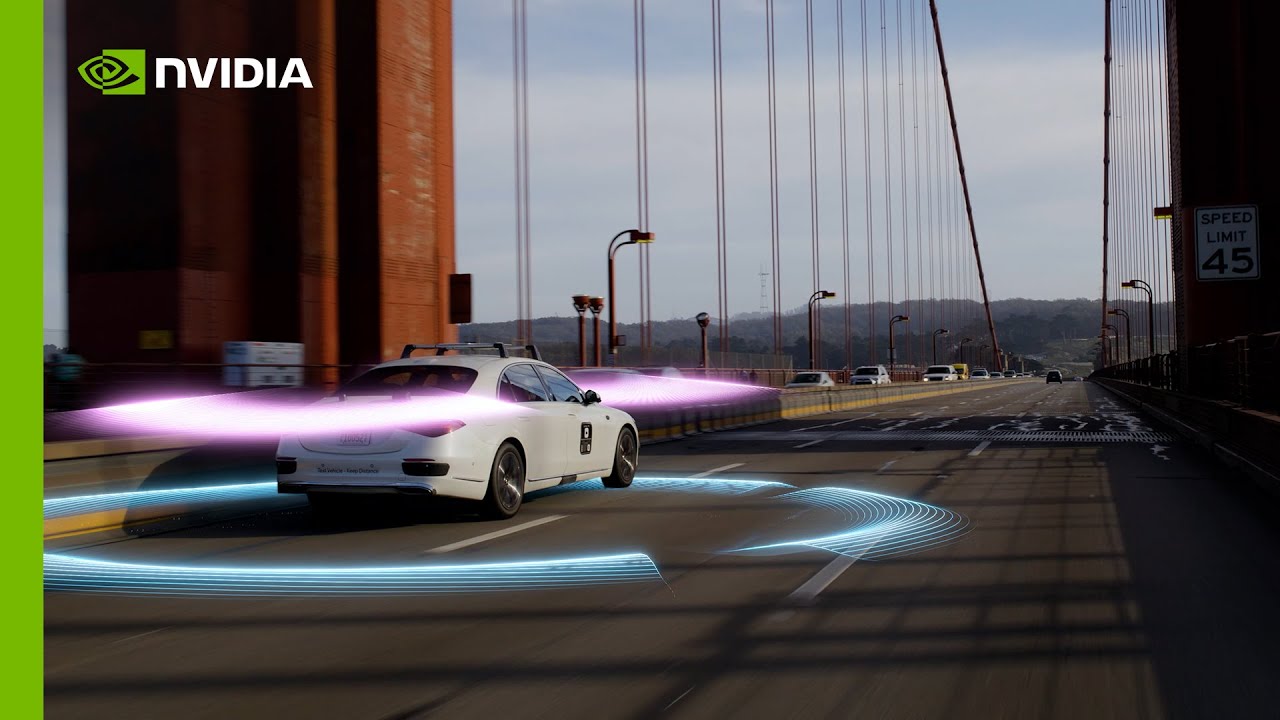
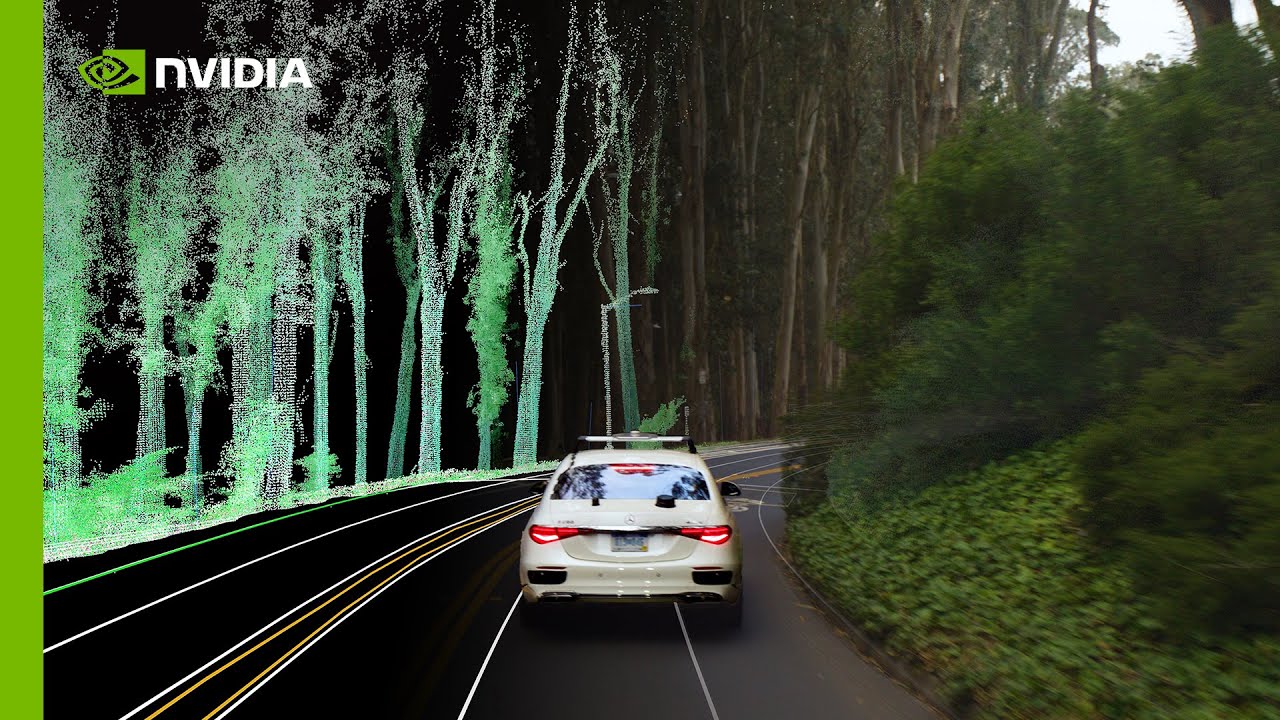
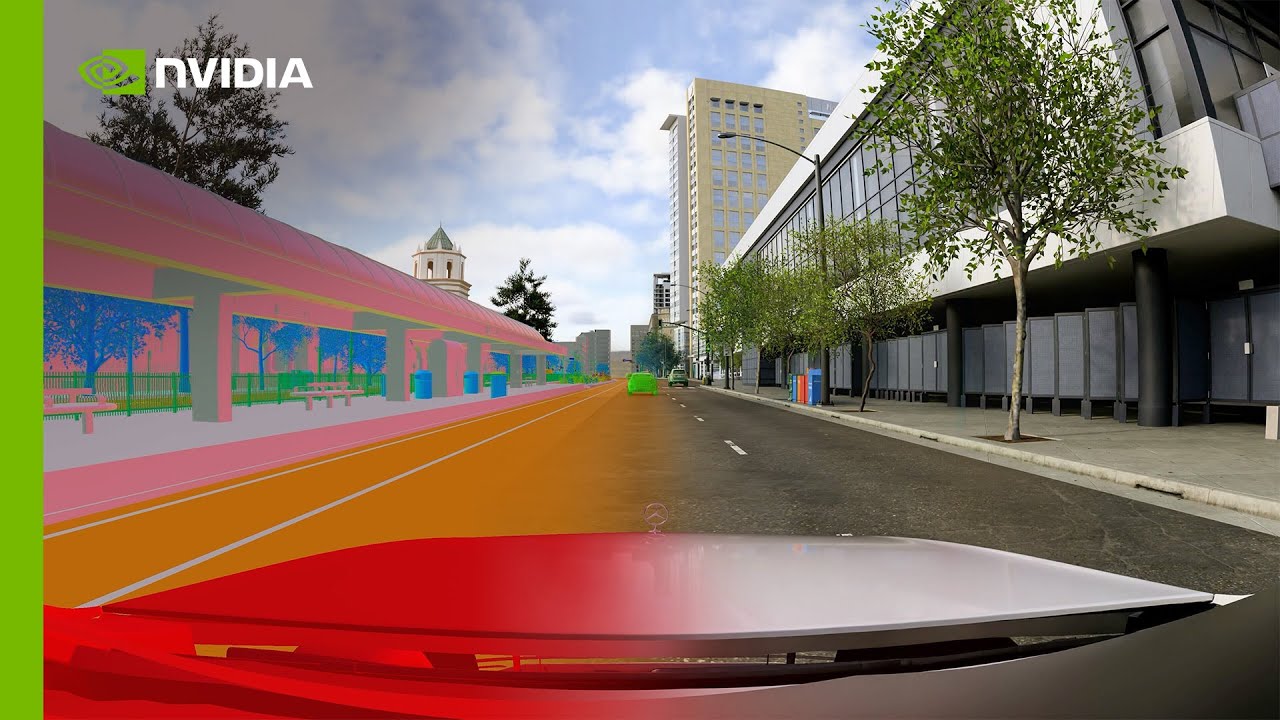
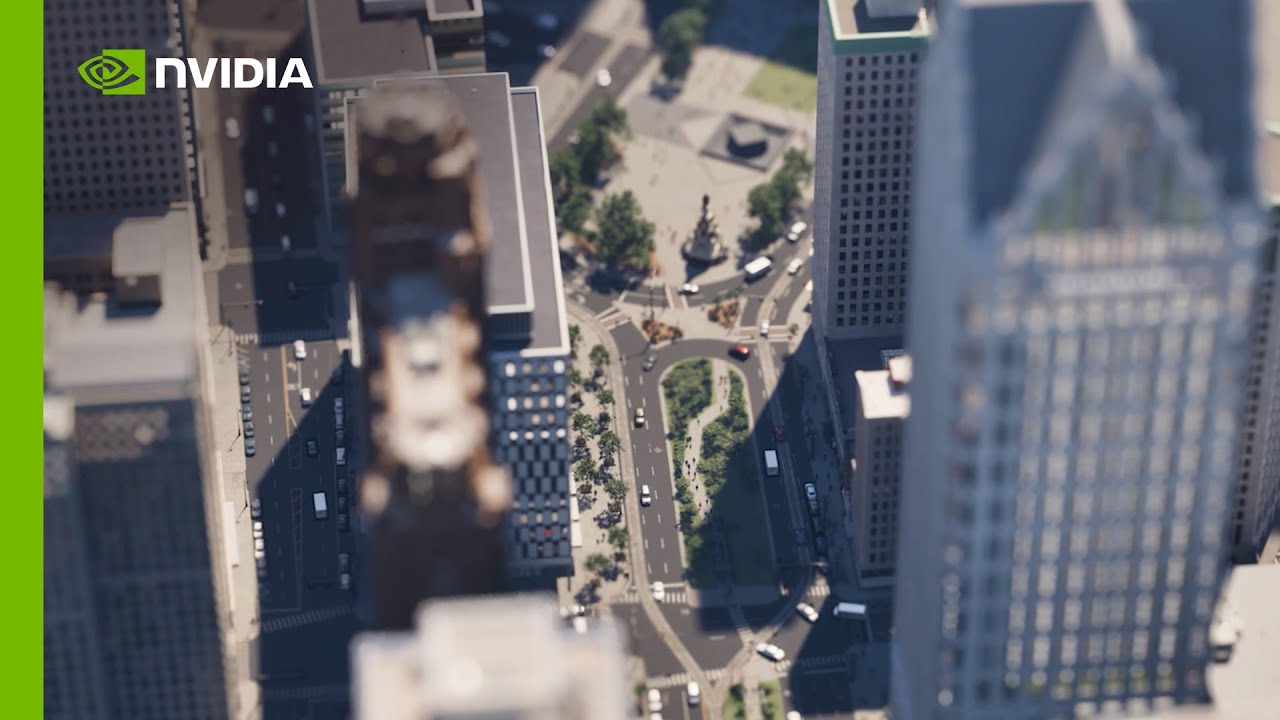
Generate custom, diverse, and high-fidelity sensor data to safely train, test, and validate autonomous vehicles.
- Amplify existing data diversity with new weather, lighting, and geolocation data
- Post-train to expand into multi-sensor views
- Create an end-to-end synthetic data augmentation and evaluation pipeline using agent skills built on Cosmos

Video Analytics AI Agents
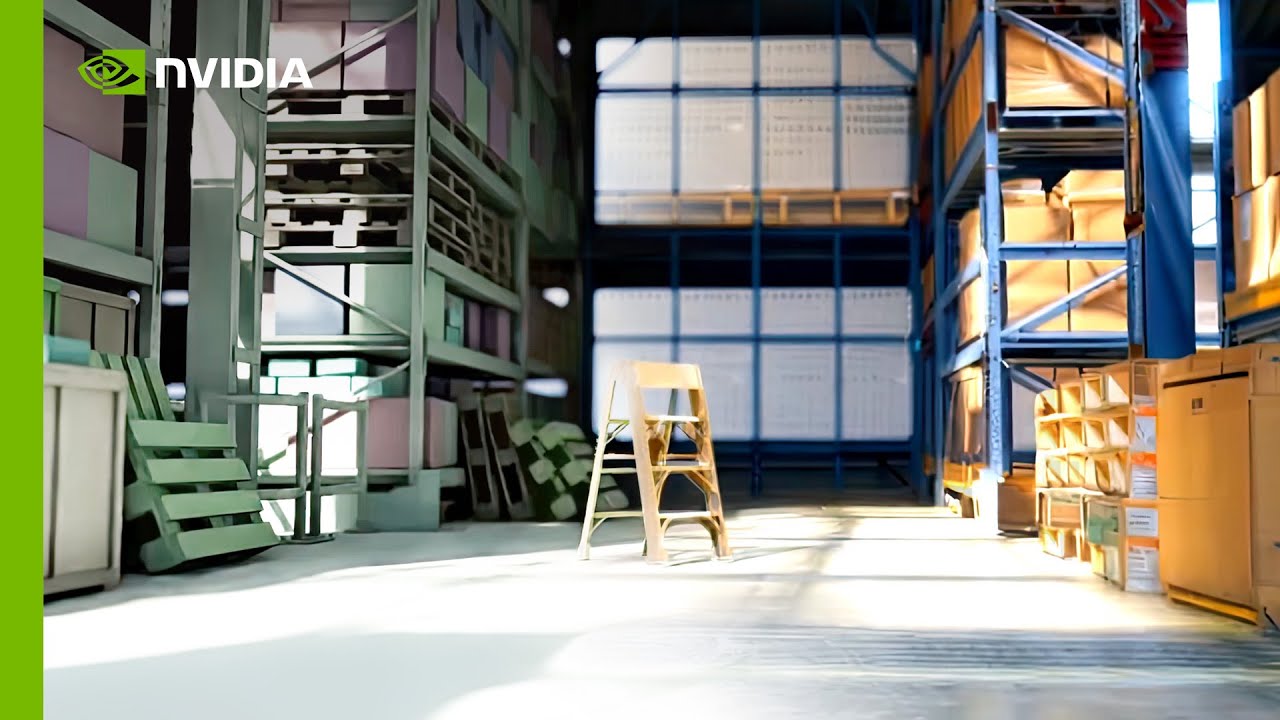
Enhance automation, safety, and operational efficiency across industrial and urban environments.
With Cosmos, AI agents can analyze, summarize, and interact with real-time or recorded video streams to:
- Deliver real-time contextual alerts
- Talk to your videos and extract insights from live camera feeds or large-scale video libraries
- Build video analytics AI agents with NVIDIA Metropolis Blueprint for video search and summarization
- Generate synthetic training data to further boost understanding accuracy

Performance
Runs Best On NVIDIA AI
Cosmos 3 is optimized for the best performance on NVIDIA hardware. NVIDIA RTX PRO™ 6000 Blackwell Series Servers accelerate physical AI development for robots, autonomous vehicles, and AI agents across training, synthetic data generation, simulation, and inference.
Unlock peak performance for Cosmos world foundation models on NVIDIA Blackwell GB200 for industrial post-training and inference workloads.

Ecosystem
Adopted by Leading Physical AI Innovators
Model developers from the robotics, autonomous vehicles, and vision AI industries are using Cosmos to accelerate physical AI development.


Next Steps
Resources
The Latest From Cosmos Developers


Frequently Asked Questions
Cosmos 3 is built on Mixture of Transformers architecture. Reasoning and generator modules use different transformers for efficient generation and performance. The model therefore reasons first and then generates, resulting in leading physics accuracy across capabilities. Learn more about the architecture here.
Cosmos WFMs are available under the OpenMDW1.1 license from Linux Foundation.
Cosmos 3 is openly available with post-training scripts on GitHub for each modality and module. In addition, NVIDIA TAO 7 provides a suite of agent skills and tools for fine-tuning vision AI models, including Cosmos 3, with coding agents and natural language prompts.
Yes, you can leverage Cosmos to build from scratch with your preferred foundation model or model architecture. You can start by using Cosmos Curator for video data preprocessing. Then compress and decode your data with Cosmos tokenizer. Once you have processed the data, you can train or fine-tune your model.
Using NVIDIA NIM™ microservices, you can easily integrate your physical AI models into your applications across cloud, data centers, and workstations.
You can also use NVIDIA DGX Cloud to train AI models and deploy them at scale anywhere.
Cosmos 3 is an omni-model it can generate across text, image, video, sound and action. While Cosmos 2.5 and Cosmos 2 kept perception and generation as separate models and modalities were limited to text, image and video.
Omniverse creates realistic 3D simulations of real-world tasks by using different generative APIs, SDKs, and NVIDIA RTX rendering technology.
Developers can input Omniverse simulations as instructional videos into Cosmos Transfer models to generate controllable, photorealistic synthetic data.
Together, Omniverse provides the simulation environment before and after training, while Cosmos provides the foundation models for generating video data and training physical AI models.
Learn more about NVIDIA Omniverse.