

NVIDIA at PyTorch Conference 2025
October 22–23 | San Francisco, CA
PyTorch 2025 Recap
PyTorch, a fully featured framework for building deep learning models, is distinctive for its excellent support for GPUs and its use of reverse-mode auto-differentiation. With this capability, computation graphs can be modified on the fly, making PyTorch a popular choice for fast experimentation.
We invited the community to join us at PyTorch 2025 to share how PyTorch has accelerated their research, discoveries, and data science.

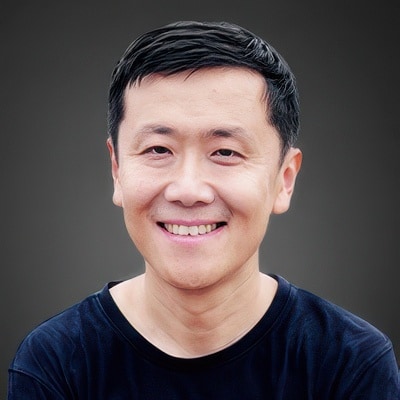
Keynote With Jim Fan, Director of Robotics and Distinguished Research Scientist at NVIDIA Research
The Physical Turing Test: Solving General Purpose Robotics
At the PyTorch Conference, Jim Fan, director of robotics and distinguished research scientist at NVIDIA, discussed the Physical Turing Test—a way of measuring the performance of intelligent machines in the physical world. Jim noted that while conversational AI is now capable of communicating with lifelike fluency, the next challenge is enabling machines to act with similar naturalism. The Physical Turing Test asks: Can an intelligent machine perform a real-world task so fluidly that a human cannot tell whether a person or a robot has completed it?
Jim highlighted that progress in embodied AI and physical AI depends on generating large amounts of diverse data and gaining access to open robot foundation models and simulation frameworks. Additionally, he walked through a unified workflow for developing embodied AI. With synthetic data workflows like NVIDIA Isaac™ GR00T-Dreams—built on NVIDIA Cosmos™ world foundation models—developers can generate virtual worlds from images and prompts, speeding the creation of large sets of diverse and physically accurate data.
NVIDIA at PyTorch Conference On-Demand
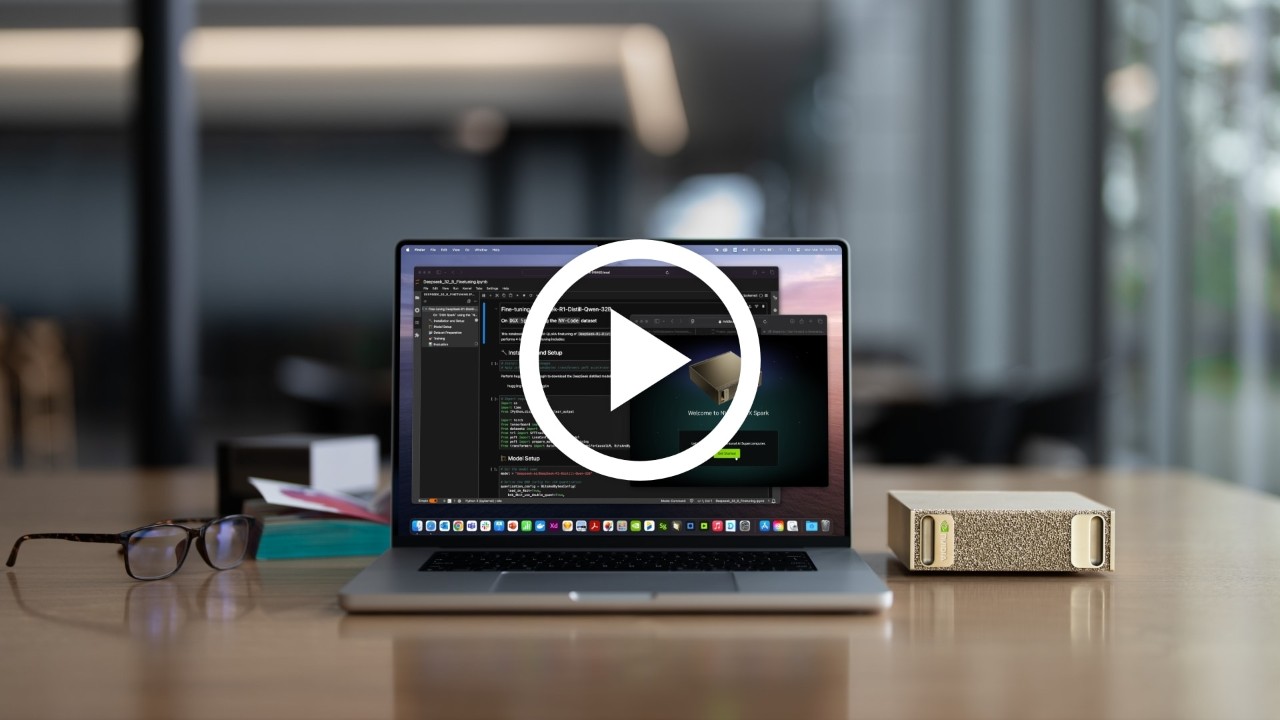
Check out on-demand content from the NVIDIA keynote, sessions, posters, meetups, and more from the PTC25 program.

Additional Featured Speakers
Took a closer look at the NVIDIA speakers and sessions from PTC25’s program.








Catch upon the highlights from PTC25.